
by Maddie Robertson
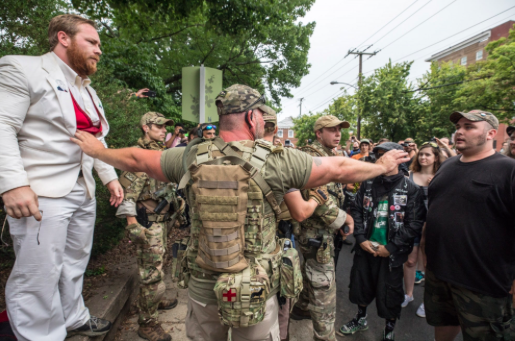
On Aug. 12, the streets of Charlottesville, Va. erupted in chaos as two worlds collided.
The once quiet town echoed with the cries of white nationalists and right-wing activists. The shouts of counter-protesters soon joined them.
The original intent of the white nationalists was to protest the removal of a statue of Confederate General Robert E. Lee. The counter-protesters consisted of citizens protesting racism and fascism.

The protests quickly turned violent, and a car driven by white nationalist James Alex Fields, Jr. plowed into a group of counter-protesters. As a result, 32-year-old Heather Heyer was killed and 19 others were injured.
The events in Charlottesville sparked a controversy across the nation. Federal and state leaders were condemned for their statements (or lack thereof) on the matter. Citizens expressed their frustration with their state’s choice to remove certain statues, and to keep others standing.
While not directly linked to Charlottesville, several other violent protests have occurred since the events that took place. On Sept. 16, police arrested more than 80 people in St. Louis following the protests sparked by the acquittal of a white police officer in the murder of a black man.
And on Sept. 18, Georgia Tech students were encouraged to seek shelter after an on-campus protest erupted after the killing of student Scout Schultz at the hands of a campus police officer. Despite the number of peaceful protests and vigils being held in response to Charlottesville, it is clear that the nation’s habit of violence is still being practiced.





Leave a Reply