
StaffEditorial
Somewhere, there’s a 17-year-old girl who’s thinking about her future. Where will the road take her? Who will she meet? What will she learn, and how will her life change? This teenager could be anywhere in the world. But what if she were living in the midst of a war?
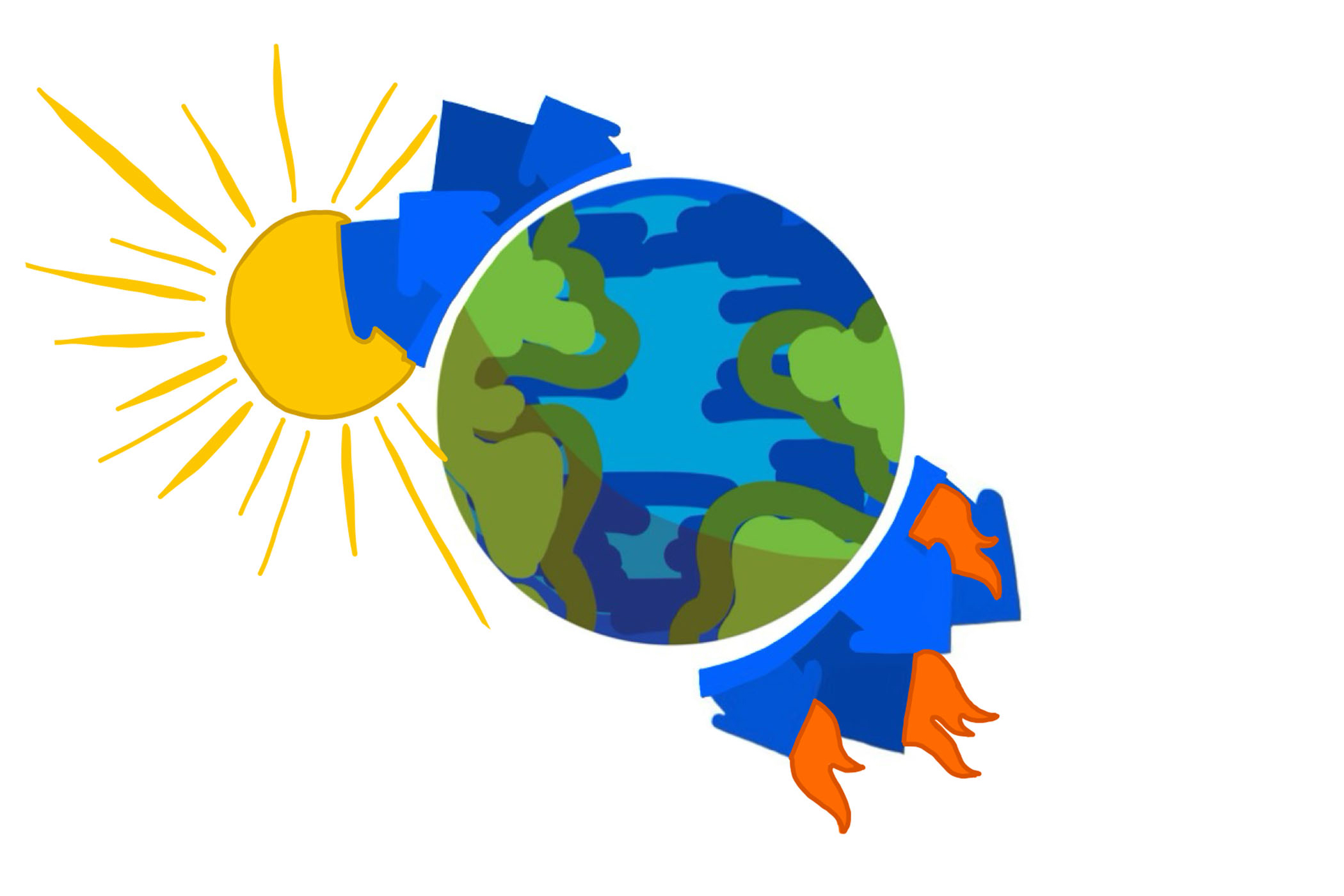
Today, people in Ukraine and throughout the Middle East are experiencing the effects of war. Whether it’s been weeks or centuries, these conflicts permeate every aspect of their lives. But how does this affect ours?
As a staff, we considered a few things in an attempt to foster discussion and understanding of these situations, as well as think about our own lives. Firstly, this conflict in the Middle East is complex and confusing; it’s intertwined with centuries of religious conflict and political strife, geographical divides and violence. In the middle of all of this are the people being affected. People of all ages and backgrounds, from the young to the old, are dealing with the repercussions of these events on all sides. It’s also easy to forget that we, as teenagers living in Omaha, are affected by global conflict, too.
It may feel difficult to relate or feel like global conflict affects you, too, because right now it feels like there’s little impact. Although this war is clearly a big deal with devastating effects for millions, the Middle East is thousands of miles across the globe. A teenage Nebraskan can’t realistically do much to change the landscape in another part of the world, but we can learn and recognize the struggles of all involved. Where we come in is with education and empathy.
Much of what we see is news broadcasts and social media commentators, and it’s easy to get caught up in the two-way focus. It’s simpler to say that there are two clear sides, and to pick one. But there’s not. In every aspect people are getting hurt.
We hope to emphasize the importance of education and research, and by trying to look into the background of an intensely complex situation, we will get a better overall picture. Through an effort to discuss and learn about these situations, our perspectives can be shaped even more impactfully. When we recognize the hurt and fear, we are able to become more understanding.
What else is needed? A compassionate perspective that recognizes the struggles of everyone involved. We can practice: is a hurricane barreling towards us, is a fire on our heels, is a humanitarian crisis at our front door? Not exactly. But we can practice the empathy component by recognizing the human dignity of each person we meet, and remembering gratitude for what we do have.
The conflicts we see around the world, most recently surrounding Israel and Palestine, are truly devastating for so many people. We are included in that devastation, and can’t forget how we are all connected in our shared humanity. By seeking out education, learning from all aspects of the conflict, and trying to see connections with those we see every day, we are better able to understand the complexity of living during war.

Leave a Reply