
BrookeHerdzina
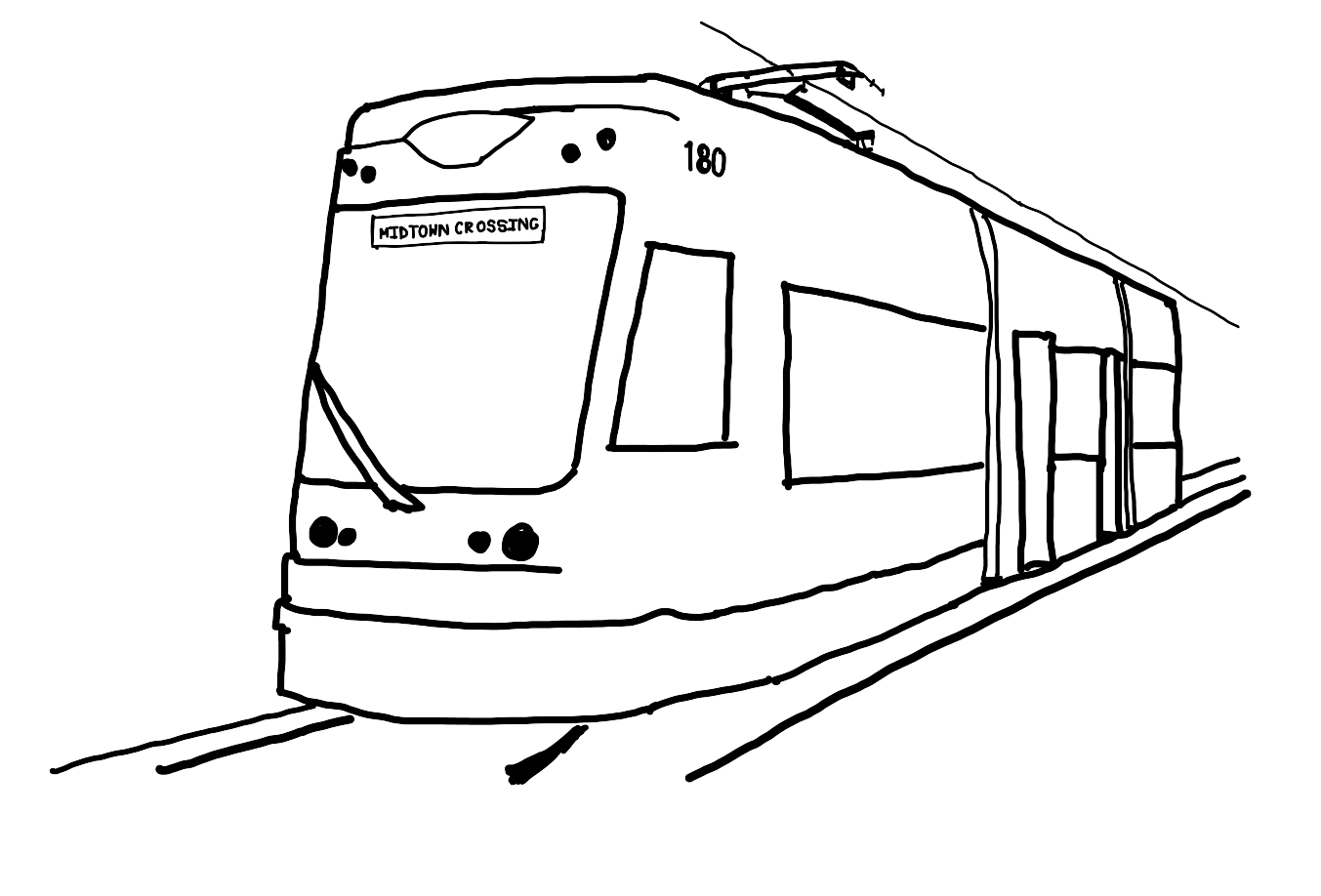
The long awaited streetcar project in downtown Omaha was just announced to be in service by the spring of 2027.
Omaha Mayor Jean Stothert showcased the images of the streetcar rendering for the first time in December 2023.
The project is projected to cost $440 million and consist of six street cars that cost $6 million each. The line will consist of 16 stops and will span from 10th Street and Capitol Avenue in the northeast to Farnam and 39th Street in the west.
Streetcars are no new thing to Omaha. According to the New York Times, Omaha’s streetcar system rivaled Boston’s during the first half of the 1900s, but disappeared to make room for cars and buses.
The difference between buses and streetcars is that streetcars are more localized, which creates a stronger connection in the community.
This project is part of the growing effort to build connectivity in Omaha’s downtown. “The streetcar is a utilitarian idea, it connects important quarters in the core of Omaha,’’ former Mayor Hal Daub said.

Graphic by RuthieBarrett.
The hope is that, with the implementation of the streetcar, a new lifestyle will emerge too: the ability to live without reliance on a car.
By transporting citizens to downtown destinations, the car will consequently drive economic and urban growth in Omaha.
“The car will help people support small businesses, make a safer community, and by connecting people together, it will help to create a safer world,” urban development coordinator, Clarice Dombeck, said.
This will also help to cut down on the space currently occupied by parking lots in downtown Omaha. According to Omaha Streetcar.org, parking takes up almost 50% of the space downtown, and there is almost double the amount of parking downtown than there are jobs. The streetcar project strives to stimulate job growth downtown without also contributing to more spaces dedicated to parking.
The streetcar provides a more sustainable form of transportation in downtown Omaha. They are electric and do not produce exhaust, unlike cars which further contribute to greenhouse gases and global pollution. The streetcars are also more efficient as they are able to carry around 25 passengers per car.
The streetcar will be paid for by a process called tax-increment financing. Under this operation, building the streetcar will actually help pay for it. Property taxes will increase as a result of the streetcar and in turn be “targeted towards helping to repay the public investment required by the project” according to the Nebraska Department of Economic Development.
This is not the first piece of infrastructure implemented into the cityscape. In recent years, downtown Omaha has transformed with the opening of the all-weather skate ribbon and the Kiewit Luminarium. The transformation of the Gene Leahy Mall and the Riverfront have also shaped the cityscape into a more modern skyline.
The thoughts on this new development are varied with Warren Buffet being one of the project’s biggest critics. According to his letter to the Omaha World Herald, he believes it is too expensive and inflexible. Some Marian girls are also not so sure about it.
Senior Rylie Washington says she is against the streetcars because “it will mess up traffic and it won’t be very beneficial.” She thinks the bus system is already enough and that Omaha does not need another transportation system.
On the other hand, some girls are very excited for the development. Sophomore Maura Harrington believes it will be a great alternative to the bus system and she is excited to spend more time exploring downtown with the use of the streetcar.
These projects and future ones, including the streetcar, help to shape Omaha into a city that is changing with the world around it.



Leave a Reply