

MadisonShaffar
The Peace Corps: time spent volunteering in a foreign country. This highly competitive position in the US government is one admired by many, but also often misunderstood.
For those who do not know, the Peace Corps is a government organization that was created by President John F. Kennedy in 1961. Since then, its goal has been to provide aid through sending volunteers to work in developing countries.
He also wanted to promote peace and friendship between the United States and other countries, hence the name “Peace” Corps.
There are only two mandatory requirements to apply for volunteer service: you must be a US citizen and you must be at least 18 years of age.
As of a few years ago, applicants now have the option to select online what country they would like to be sent to and what type of work they want to do. You must also be interviewed to be officially selected.According to Peace Corps application data, only 23% of applicants are offered a volunteer position.
Joining the Corps is a long and stressful process that concludes with two months of onboarding training and finally, the departure to your assigned location. What people may not realize is that service within the Peace Corps requires a minimum of two years’ work in one’s field.
The question is: are people discouraged by this? Is it worth it? Are there other options for people wanting to serve, but unable to give up such a long time period?
For those who think the Peace Corps may be too intense for what they are looking for, there are a variety of other options for people wanting to give their time to those in need.
For starters, Marian students have the opportunity each year to apply for the annual summer service trip to the Dominican Republic.
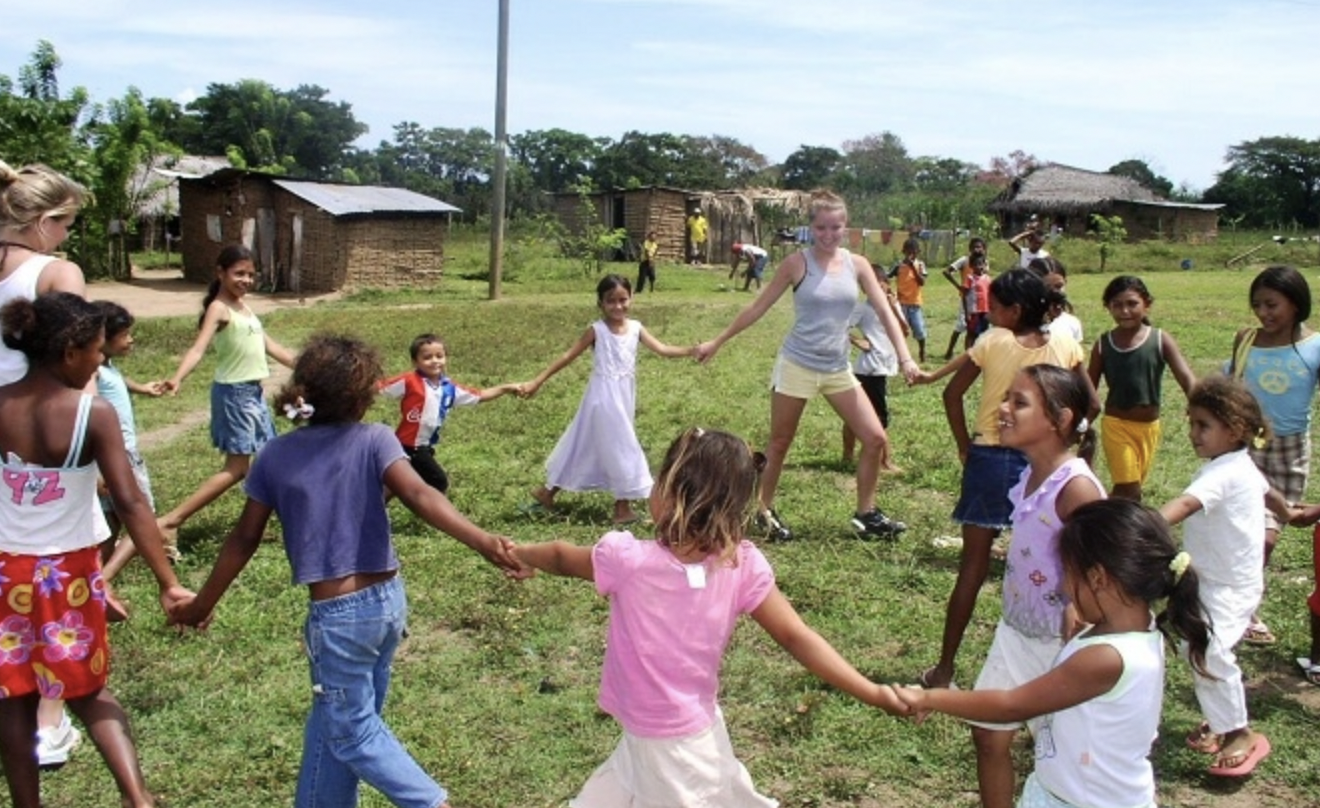
Junior Callie Verzal was selected to go on the trip during the summer of 2024. “I am looking forward to spending time with the children in our campo, learning about the history of the Dominican Republic and helping the community there through a service project,” she said. Current sophomores and juniors are able to apply to go on the trip at the beginning of the school year, and the group typically consists of around ten girls.
Before the trip, the students raise money to cover expenses by hosting a bake sale and a school-wide free dress day. They are also required to complete different learning exercises before the trip to ensure that they have a better understanding of the new culture they are going to experience.
The service trip to the DR is a great first step for students who want to pursue service opportunities in their futures. “I am very interested in doing more volunteer opportunities in the future. I hope that after I graduate, I will take a service trip and hopefully get to have another abroad experience during college,” Verzal said.
Many other schools, especially universities, offer opportunities to volunteer abroad. The Jesuit colleges, such as Saint Louis University and Creighton University, often offer fairs to showcase the many opportunities for postgraduate volunteering both in the US and abroad.
Spanish teacher Caitlin Gaule has gone on various service trips abroad and heavily encourages students to take part in similar projects. “We are all in this world together,” Gaule said. “We often focus on the next little things we have to do, but when going abroad, we get a chance to get to know each other and see other sides.”
Gaule considered going into the Peace Corps as she had a good friend join and had the opportunity to visit her at her host community in Panama. “I knew I could not handle the two years,” Gaule said when reflecting on why she herself did not join the Peace Corps.
Instead, Gaule searched for service opportunities abroad that she could embark on during and after her time in college. She started with a program that brought her to Chile. Gaule got to volunteer and work with younger kids with disabilities. “It was a fun way to be involved in the community,” she said.
After graduating, Gaule got involved with organizations that took her to Peru, Paraguay and Guatemala. One word of advice she has for students who wish to explore foreign countries through volunteering is to find the groups that do not break the bank. She strongly suggests that students research ahead of time to ensure that the programs are legitimate and that money goes back to the communities.
This could be a pro of joining the Peace Corps, as there are no fees included and members receive a monthly stipend to help take care of medical expenses and basic needs.
A big challenge faced by Gaule and many other volunteers, whether working with the Peace Corps or another organization, is the time spent in a new place by yourself. “You get lonely sometimes and it can be difficult living away from home,” Gaule said.
Gaule also struggled with learning that no matter how much help she gave, she could not solve every problem that people faced. “You never feel like you can do everything that you want to do to help; you’re there to be alongside them and support them,” she said.
Despite these challenges, there is no doubt that volunteer work is important and has a lasting impact on communities in need.
Whether work is done for the Peace Corps, through a school, or through an independent organization, time spent doing service is never time wasted.





Leave a Reply