

Izzy Campie
As Omaha welcomes the arrival of spring, residents find themselves greeted by temperatures soaring above the usual springtime norms. The 2024 spring temperatures have left both meteorologists and locals intrigued by the uncharacteristic warmth.
While not reaching the extremes of blistering heat, the temperatures in Omaha have consistently surpassed the typical seasonal averages, offering a break from the chill of winter. According to meteorological data provided by Lauren Casey, March temperatures have been consistently hotter than in previous years, with a staggering increase of 3.6 degrees Fahrenheit compared to the 1970s.
This substantial temperature rise has caught the attention of both locals and experts, sparking discussions about the impacts of climate change on Omaha’s weather patterns.
“It’s important to realize that even with global warming, climate change patterns are never in a straight line. Longer term, this trend of less snowy winters is probably a sign of the future for Nebraska,” KETV Chief Meteorologist Bill Randby said.
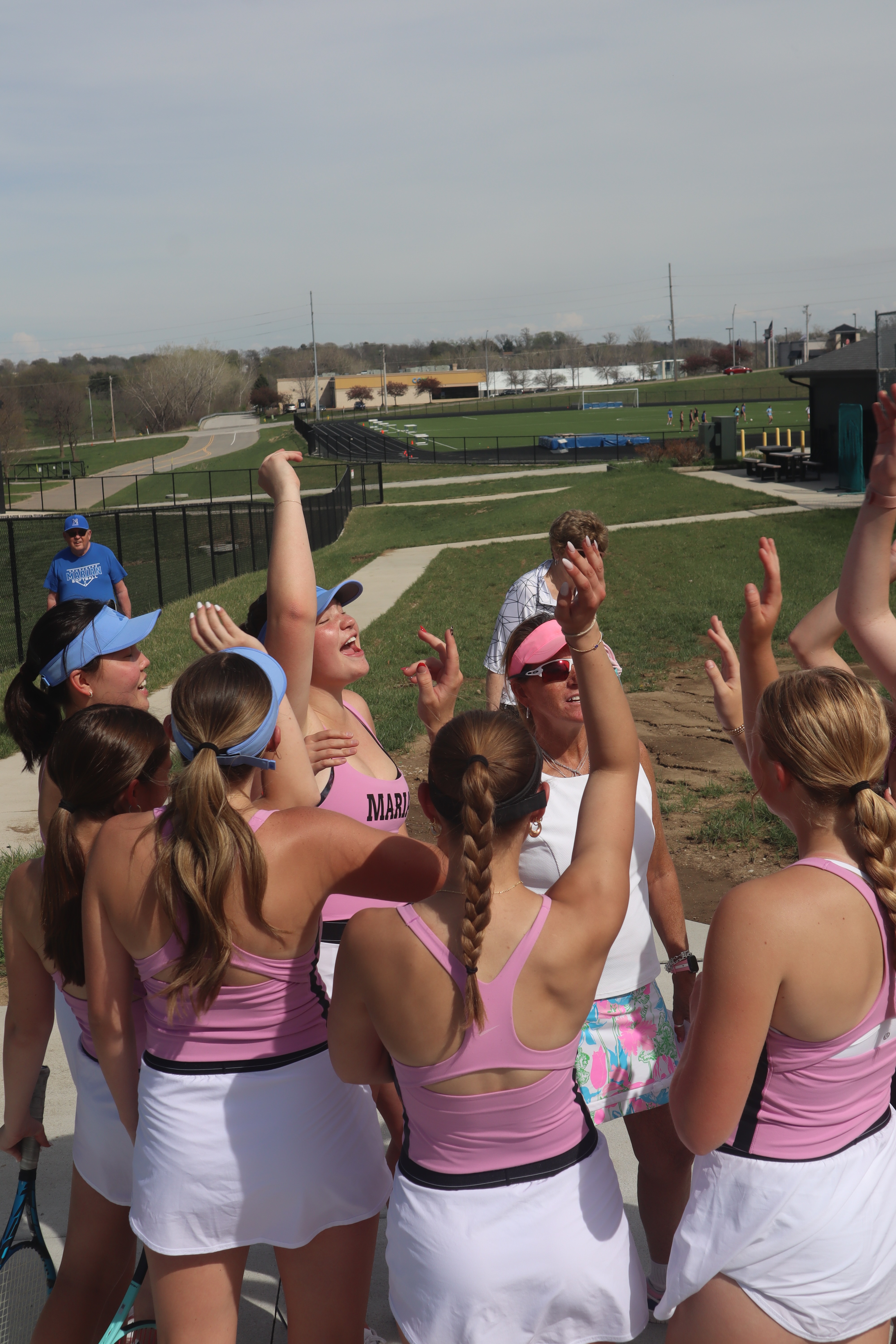
The subtle shift in temperature has influenced the daily routines and activities of Omaha’s residents, particularly those involved in outdoor sports and recreational activities. The warmer weather has increased engagement in outdoor activities, prompting many to get outside and soak up the beautiful weather conditions.
“I love getting outside, whether that involves playing catch with my kids, walking our dogs, or going running. The warmer temperatures this year have made it much easier to enjoy all of those things,” English teacher Mrs. Alee Cotton said.
For student-athletes participating in sports this spring, the warmer weather has brought a mix of excitement and adjustment. As a varsity soccer player, sophomore Hayden Blaney emphasizes the importance of adaptability to weather conditions.
“Athletes have to be ready to play in any weather because that’s just the nature of the sport. And it isn’t something to complain about because it affects both teams similarly,” Blaney said.
The warmer-than-usual temperatures have had far-reaching impacts on daily life in Omaha, influencing everything from outdoor activities to energy consumption patterns. With the onset of spring, residents have found themselves adjusting their routines to make the most of the unseasonably mild weather.
“I notice more people outside as the temperatures get warmer, so that is an evident impact. We didn’t do as much sledding or ice skating as usual this year. As temperatures got warmer, I needed to clean up our perennial plants sooner this year to prepare for new growth,” Cotton said.
The warmer temperatures also impacted energy usage, with many residents relying less on heating systems to keep their homes comfortable. This reduction in energy consumption has not only led to cost savings but also contributed to a decrease in carbon emissions, benefiting both the environment and the community at large.
On the other hand, the weather also hurt some residents economically. “The lack of snow really hurt the ski and snowboard activities at Mt Crescent this year. This was again a rough year for folks that plow snow and clear sidewalks and parking lots…less work for them and less money for their businesses,” Randby said.
Randby attributes the uncharacteristic warmth to a combination of factors, including shifts in atmospheric circulation patterns and the influence of climate change.
“The warm February and relatively mild March can be attributed perhaps due to the El Nino in the Pacific Ocean. A lot of mild air flooded across the country and resulted in a very limited snowpack across the Midwest. Temperatures warm quickly unless there is snow on the ground,” Randby said.
As Omaha residents enjoy the warmth of this spring, they are reminded of the importance of environmental stewardship and sustainable living practices.
“In terms of social justice, we all bear a responsibility to be good stewards of the resources in front of us. What is a more important resource than the environment we share now and will leave to future generations?” Cotton said.
By taking small steps to reduce their carbon footprint and protect the planet, individuals can contribute to efforts to address climate change and ensure a brighter future for generations to come.
In the midst of these efforts, Omaha’s residents embrace the implications of climate change. Whether it’s warmer-than-usual temperatures or unexpected twists in the forecast, one thing remains certain – Omaha’s weather never fails to surprise.



Leave a Reply