
SyraQureshi
From sinkholes opening in city streets to earthquakes and large wildfires across the state, recent events have left many Nebraskans asking what is going on.
On Feb. 24, a sinkhole suddenly opened at the intersection of 67th and Pacific Street. A video of the hole swallowing the two vehicles while bystanders jumped in to help became a sensation worldwide. According to KETV, the sinkhole was believed to be caused by the city’s deteriorated storm sewer. While no one was seriously injured, the dramatic incident spread quickly across social media and reminded both locals and others how quickly infrastructure problems can turn dangerous.
According to a Marian Google Survey with 90 respondents, 63 reported to have seen the famous sinkhole on social media or the news. In fact, 15 even said they drove by it. Located by Aksarben, this intersection is a high-traffic area, and its closure has affected many.
“…to school and other places, I typically take that route, so I had to find a new way to get places,” senior Sophia Losole said. “I did first see it from the news, and then I drove past it.” Now, the pavement has been smoothed over and the intersection is open, but the sinkhole did cause temporary chaos to those in the area.
Around the same time, a 4.1 magnitude and a 2.6 magnitude earthquake struck south central Nebraska on March 1. Even though there were only minor disturbances, earthquakes are rare in the state, which made the shaking especially surprising for many residents.
The earthquake sent vibrations through homes nearly 150 miles away, causing those in the Omaha metro area to also feel the rumbles.
Sophomore Adeline Bernal was studying when she suddenly felt the shaking and noticed things moving on her desk. “I thought maybe I just moved it or something, then I saw online that there was an earthquake,” she said.
She was not the only one to have felt the effects of the earthquake, as 14.3% of the 90 Marian students who responded to the Network’s Google Survey reported to have also felt it. However, many didn’t even know what it was at the time. “When I brought it up, no one had any idea what I was talking about,” Bernal said.
Meanwhile, massive wildfires burning across parts of western Nebraska scorched nearly 750,000 acres of land, making them among the largest in state history.
Strong winds, sometimes exceeding 60 mph, rapidly spread flames across dry grasslands, allowing fires to grow quickly and making them difficult to contain. Fueled by unusually dry conditions, low humidity and wind gusts, the fires forced evacuations, destroyed homes and farmland and prompted officials to declare a statewide emergency.
Because these conditions are occurring earlier than typical wildfire season, the fires caught many communities off guard and contributed to their intensity.
While Nebraska landowners regularly use controlled burns as a method to manage grasslands and reduce wildfire risk, these current fires are unplanned and far more destructive. Unlike controlled burns, which are carefully monitored, these wildfires caused widespread damage to livestock, property and livelihoods.
Although the land is expected to recover naturally over time, the immediate impact on farmers and ranchers is severe. In response, relief efforts are underway across the state, with local organizations, volunteers and neighboring communities providing donations, supplies and financial support to help those affected begin rebuilding.
According to state emergency management reports, wildfire activity in Nebraska has significantly increased in recent years. These fires add another challenge for communities already dealing with a wave of unusual and severe events.
Residents have begun to worry about the proximity of Offutt Air Force Base near Omaha as global tensions increase. The area is often included in national conversations about safety and preparedness. As the headquarters of U.S. Strategic Command, the base plays a major role in national defense. However, military and local officials emphasize that there is no current threat to the region, and preparedness planning is routine rather than a response to any specific danger.
With all these concerns, many locals cope with humor. Omaha content creator Jordan, best known as Jordan the Ninja, has gained attention online for making comedic videos about construction zones and everyday frustrations around the city.
“People love to laugh for the most part, and laughing together at something that’s a little frustrating is a good community,” Jordan said. His jokes about endless road work resonate with residents who see orange cones and detours as a normal part of life in Omaha.

Jordan was inspired to start creating videos about Omaha when he, like many Omaha residents, was upset at taking a road home through all the construction chaos. “It would be funny if someone made a video talking about how annoying all this construction is,” he said.
For many Nebraskans, the recent disasters are a reminder that while the state is usually considered calm and predictable, unexpected events can still happen. At the same time, the community continues to respond with humor and support, knowing that we are all in this together.
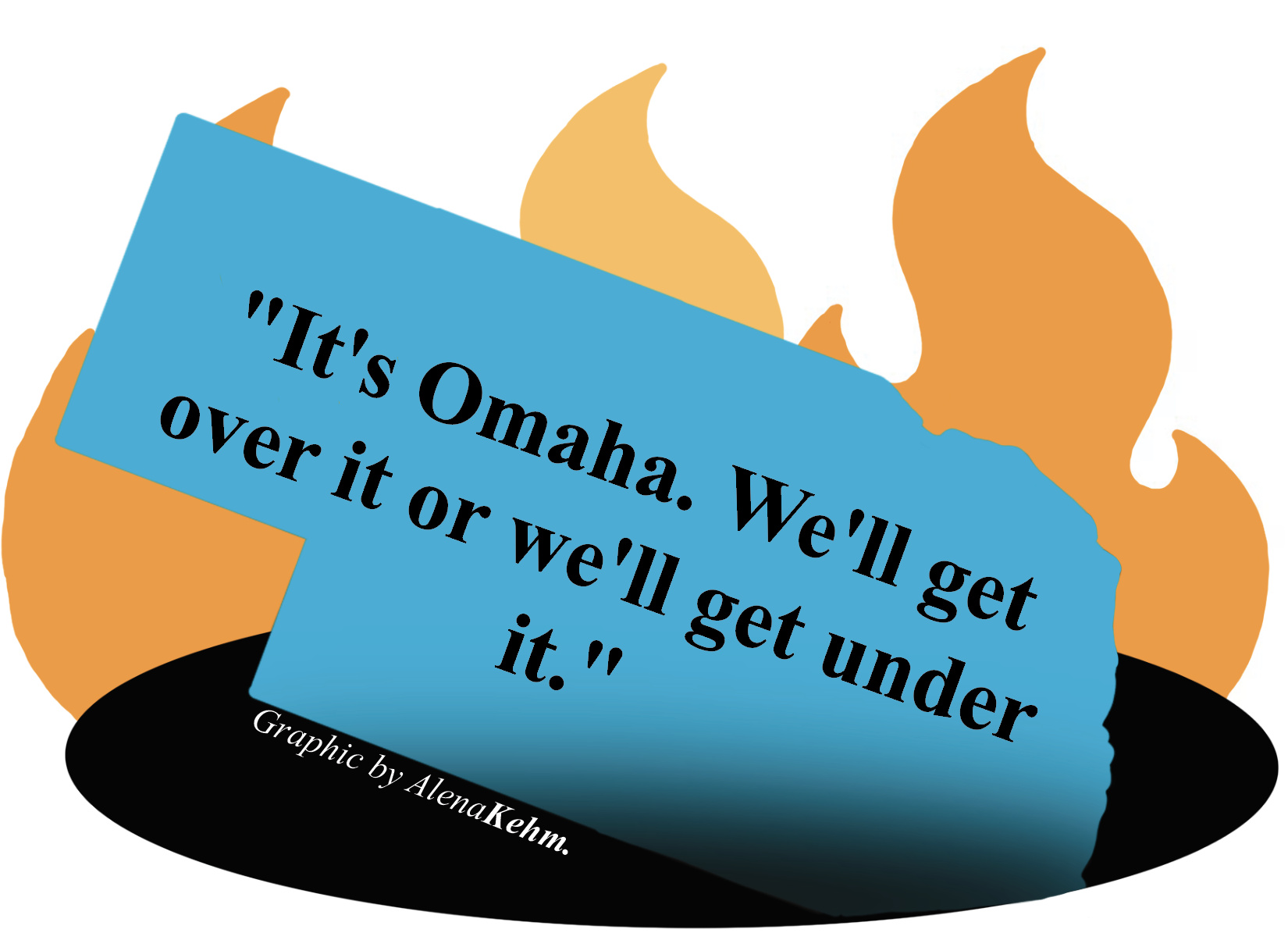
“It’s Omaha. We’ll get over it or we’ll get under it. Right now, some are struggling to make it by and some are about to be, so prepare for both,” Jordan said.




Leave a Reply