
Opinion by DelaneyJackson
As worldwide tensions escalate, citizens of affected countries are finding new ways to cope with conflict. Though some are figuring out ways they can help the affected demographics and educating those unaware of current situations, the primary action social media users are taking is making fun of these events.
During the height of the ongoing Immigration and Customs Enforcement (ICE) raids in Minneapolis, discourse emerged online concerning how seriously people were really taking violent acts committed by people in power. Actions such as commenting on TikToks with reaction images of people/characters crying or gasping demonstrated one of the greatest weaknesses of social media users — prioritizing humor over taking action.
Protest signs making pop culture references, such as “Born to be a fan girl; forced to fight fascism,” continue to undermine the current events taking place within our world. Instead of focusing on the real issues at hand, the people holding these signs are — possibly unintentionally — focusing on themselves instead of the people being harmed.
Other protests have seen signs influenced by HBO’s new show “Heated Rivalry.” Posters making references such as “ICE is not invited to the cottage” and “The only ice I like is the ice Shane and Ilya play on” make light of deportations and cause people to not take this subject seriously.
Even though it may not seem like it, what these users are doing can actually harm the causes being fought for. When brought into real-life scenarios, this behavior can cause those genuinely trying to make a difference to be grouped with the people who see social issues as trends they can laugh at. As a result, the cause is not taken as seriously and may even be seriously damaged.
When asked about ICE raids, the genocide in Palestine or even the release of the Epstein Files, instead of the relentless activism created by communities working together coming to mind, internet jokes and situations may be the first thing someone thinks of. Making light of these horrific situations is not at all a healthy thing to be happening.
The most recent occurrence of online jokes making fun of horrific issues was when TikTokers began talking about how they thought they were going to be drafted into an alleged World War III. This isn’t a new joke, though, as social media users have been discussing fake drafts for years. However, it really undermines the suffering of the people in war-torn countries actually experiencing these hardships.

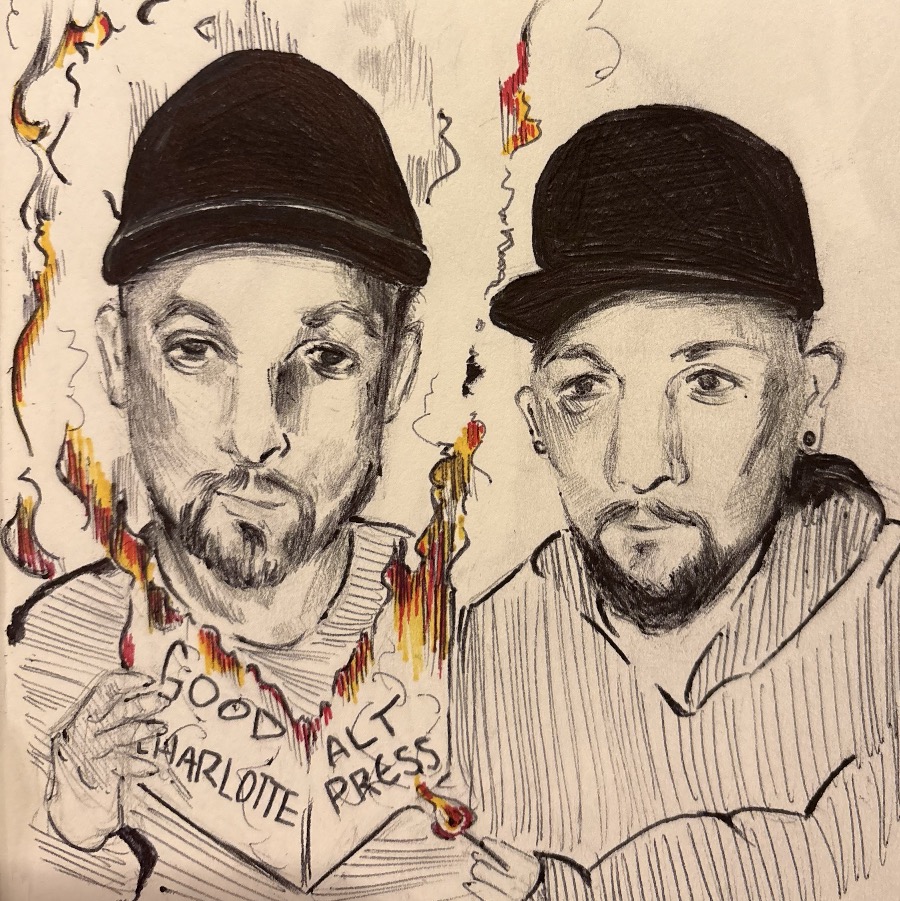
Illustration by DelaneyJackson.
Families are being ripped apart, harmless people are dying in instances of ethnic cleansing and genocide and innocent people are being killed in the streets, yet all anyone can talk about is what their favorite characters’ reaction would be or how “we’re literally in ‘The Hunger Games’ right now.”
The glamourizing of serious events is primarily done by people in positions of privilege, as they have the freedom to make jokes about occurrences that they aren’t affected by, whereas the victims do not have this ability.
Many people insist that the reason they use humor is because everyone is so desensitized to the tragedy that takes place day-to-day. Using political jokes as a coping mechanism to deal with human suffering has become a common theme among younger generations.
This “unseriousness,” as some people call it, damages the image of activist groups attempting to make a difference in the world. Their important work is what actually makes change in the world, not poorly thought-out statements in comment sections.
Instead of joking about politics on the internet, getting outside in an attempt to make change will always be the more effective form of using your voice.
Attending protests, educating your friends, participating in boycotts and donating to people in need are all helpful ways of putting yourself out there to transform society and make it a better, more inclusive place.

Leave a Reply