
LilyBiggs
Behind almost every popular artist, there is a prominent label that backs them up. Label companies provide resources for artists and control their promotions. However, not everything is sunshine and rainbows when it comes to these companies.

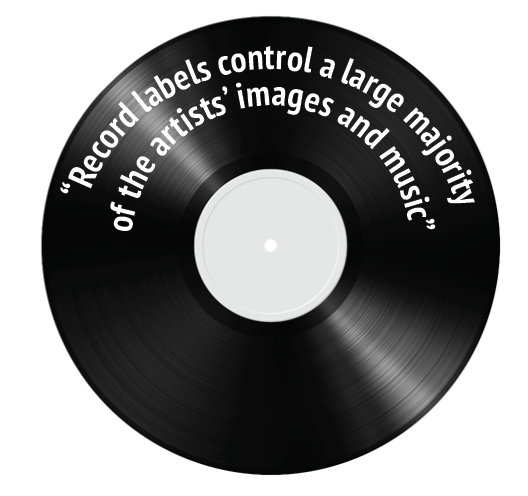
Record labels sign upcoming artists in hopes that they will “blow up” so they can make money off of them. They control a large majority of the artists’ images and the music they will release. Because of this, you occasionally see artists like Doja Cat fighting against their labels since they don’t agree with the image the label is pushing.
Album sales began to decline in the 2000s with the rise of social media and piracy.
Record labels began to create 360 deals to recoup the money they were losing.
360 deals allow record labels to take a cut of money from tours, licensing, endorsements, publishing, record sales, performances, appearances and merchandise from an artist. In the past, record labels would only profit from the music artists made, but not earn anything from movies or endorsements the artists made.
This was no longer seen as a viable option when digital platforms like Spotify rose in prominence. To combat this, and still receive money from musical artists, record labels began buying the masters and publishing rights. This occasionally causes some conflicts between the label and the artist. For example, Taylor Swift’s early music was bought by her record label, which is why she’s rereleasing “Taylor’s Versions” of her music.
To persuade artists to sign with their label, these companies offer musicians an advance that can range anywhere from $50,000 to $350,000. However, these advances aren’t actually money that the artists get just for signing them. They’re really a loan of the money that the artist would have earned anyway, and that they have to pay back later.

If record labels are this bad, then the simple and better option would seem to be not signing to one. However, if you do not have the funding to properly record or promote your music, this can quickly prove not to be a viable opinion. Unless you have the money to start your own publishing company, hire a team, find and pay a distributor and pay for promotions, this can quickly sound like just a pipe dream.
Some artists find a way to make this work, though. They are known as independent or indie artists, since they are not signed to a label.
Although these record labels have negatively made the music industry what it is today, they have also allowed for many artists to blossom and have allowed music to connect millions of people.


Leave a Reply