
By J1 Reporter Marielle Kolterman
More than 90% of Americans do not get the proper micronutrients in their daily diets. It is essential, especially for women, to make sure they are meeting micronutrient requirements to live a healthy life.
“Micronutrients, often called vitamins and minerals, are vital to healthy development, growth, disease prevention, and well-being” according to the CDC’s Micronutrient Facts. As a result of these micronutrient inadequacies, many Americans experience health complications.
Additionally, Americans “are not reaching micronutrient intake requirements from food alone” according to a study from Oregon State University called Micronutrient Inadequacies. Despite exceeding their caloric needs, essential vitamins, minerals, proteins, and other nutrients are lacking in the American diet.
Marian junior Maeve McGill relates her experiences with a lack of accessible nutrient dense meals. McGill has been going to a nutritionist since her freshman year of high school, after discovering that she had major protein deficiency. McGill’s doctors told her she “needed 90 grams of protein a day.”
To break that down, she needs to eat relatively 30 grams of protein across her three daily meals.
Since then, she has had to adapt several parts of her day, working around the lack of protein in food that isn’t made from home. “I try to get more protein for breakfast and dinner, because I don’t think that Marian lunch gets you quite 30 grams of protein without spending twice the amount of money.”
In addition, McGill has found that accessible foods, such as quick fast-food meals, are completely lacking in protein and necessary vitamins.
For women, vitamins such as Iron, Folate, Vitamin A, Iodine, Zinc, and Vitamin D are extremely important. They affect every part of their lives, and deficiencies in any of these vitamins will cause many health complications such as bone and muscle diseases, anemia, higher risk for blindness, higher risk of dying from infections, and many more.
Since her time with the nutritionist, McGill has learned of these vital vitamin deficiencies and been diagnosed with several. Because of convenience, McGill was suggested to supplement her diet with vitamins. “I take an iron, vitamin C, and magnesium supplement, and also a multivitamin,” McGill says. Without these supplements, McGill wouldn’t reach her necessary vitamin intake with food alone, even while trying “to have more fruits and veggies in the beginning and afternoon of the day.”
In addition to convenience, food insecurities are a factor as to why so many people are deficient in necessary nutrients.
Some would argue that sufficient fresh produce markets in the United States provide foods with proper amounts of nutrients. For many American families, however, these markets are too expensive. Cole Murphy, an American dietitian, comments about farmers’ markets. “You can go to farmers markets, but they have become much more expensive. So, people select cheaper options, like canned goods. Even McDonald’s is often cheaper than buying a salad nowadays.”
Reduced shelf life is the primary driver for escalated pricing. While meat products and other protein-rich foods freeze well, most produce must be bought fresh, or it will spoil rapidly. Companies risk high waste rates when these more fragile products are not sold and cannot be saved, so to make up for this potential for loss, prices are inflated.
In addition to cost, food insecurities are also caused by the distances people must travel to stores across American states. “Grocery stores in the United States are hard to reach if you don’t have a car,” according to a Latvia-American dietitian, Ieva Murphy. “Some families have to stock up for multiple weeks at a time when they visit grocery stores,” making fresh foods a less practical option for some families. As a result, produce is not always available for many people.
These three simple complications, lack of convenience, expensive food costs, and distance, are overshadowed, however, by one more basic issue: far too many people’s general knowledge about nutrient deficiencies is sorely lacking.
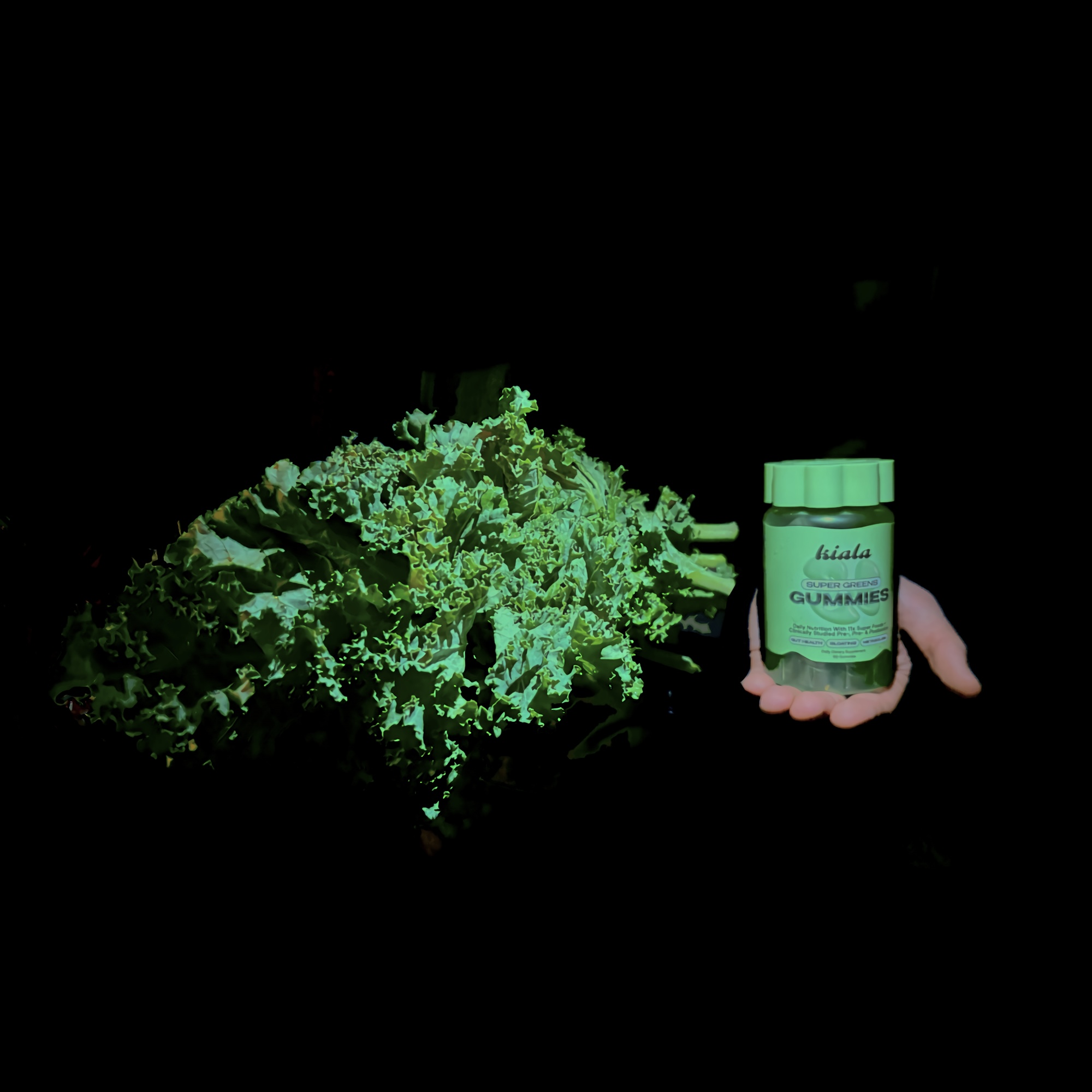
Many people, including McGill, turn to vitamin supplementation to make up for foods and meals that lack nutrient density. Cole Murphy says that supplements can be very helpful for these cases, but people are generally misinformed about what and how much to take. McGill shares that “many people supplement without having been told to do so.”
Cole agrees, explaining that many patients he sees think they can self-diagnose deficiencies and begin taking supplements. “People think, ‘If I’m just missing out on this or that, I can make it up with vitamins.’” As a result, Americans aren’t doing their research before impulsively spending billions on nutraceuticals, which may not even have an effect on them.
A Canadian media theorist and philosopher said that “Advertising is the greatest art form of the 20th century,” and this industry has spared little expense to promote itself. “In 2026,” Cole continues, “the U.S. dietary supplement industry reached about $70,000,000,000, and it is increasing considerably each year.”
The industry has learned how important convenience is to Americans – or has taught the value of it to them – and has positioned itself to gain financially with the food products it manufactures accordingly. Calories are not the problem. Nutrient density in the calories we consume is the issue. Ieva continued off of her husband’s point that “Overall, what I’ve seen in the United States, you know, is that healthy food is getting more and more expensive.” The American convenience mindset makes fast foods and pre-packages foods more appealing, even though they lack nutrient density, because they are cheap and easy.
Dietary supplements, along with more nutrient dense meals, are currently the two options for meeting necessary vitamin and mineral intake quantities. Both, however, can be inconvenient or too expensive for many families. American commercialism pushes products in people’s faces constantly, and, through the pervasive influence of social media, companies can target and sell to audiences more effectively, especially within the supplement market. Usually, medical remedies must be prescribed by a physician, but supplements are most of the time something you can just walk into a store and buy.
My sister has suffered for as long as I can remember from lactose intolerance and other inflammatory gut issues, making it difficult for her to enjoy a lot of nutrient dense foods. When she took a trip and explored a dozen countries in Europe last summer, however, she could eat anything she wanted without any of those problems she had suffered from all her life.
McGill shared a similar experience and says, “Everything was so much more fresh in Europe.”
Ieva Murphy, who lived in Europe for the first 17 years of her life, also notices a vast difference in the quality of foods in her homeland versus in the United States.
“I lived in Latvia,” Ieva states. “And people go to the grocery stores more often because they’re buying produce.” She shares that produce without preservatives doesn’t last very long and so it must be bought fresh daily. “There’s also a different gardening culture. People have gardens where they also grow their own food, as opposed to the US where more people buy in bulk.”
She also explained that “in Europe, everything is closer,so you can walk to the store, get some fresh items and get them back home” for each meal.
Food is too important for our health, and many other places of the world have implemented much more stringent regulations to protect the most important medicine we put in our bodies: our food.
McGill, who has done some research on preservatives, artificial dyes and sweeteners, and chemical additives, shared that “a lot of things are banned in Europe that aren’t banned here.” Regulations on food in the United States are much more lenient, so many products consumed daily in America are entirely artificial, which offers no true nutritional benefit.
Whether it be from busy schedules, lack of finance, neglect, lack of information, or insufficient regulations, Americans are regularly not meeting nutritional requirements. Without necessary nutrients, health complications are near behind, especially for women. A conscious effort is vital to having a healthy food journey.



Leave a Reply