
MaddieWaters
In today’s increasingly divided and fractured world, this summer saw some of the most beautiful displays of global unity in recent history, thanks to one massive, highly anticipated sporting event: the 2026 Fédération Internationale de Football Association (FIFA) Men’s World Cup.
This year’s World Cup was co-hosted by the United States, Canada, and Mexico and ran from June 11 to July 19. These 39 days brought with them heartwarming displays of unity as unlikely bonds formed between fan bases and previously contested cultural differences were beautifully celebrated.
One of the most impactful displays of this cultural unity was seen when several American host cities “adopted” a team and a fan base, dedicating themselves to supporting the team that called their city home for this summer.
For example, Boston, Massachusetts suddenly became one of Scotland’s largest fan bases when Scotland played there in the group stage. Boston residents and businesses embraced the Scottish fan base, and the Scottish fans quickly reciprocated this kindness.
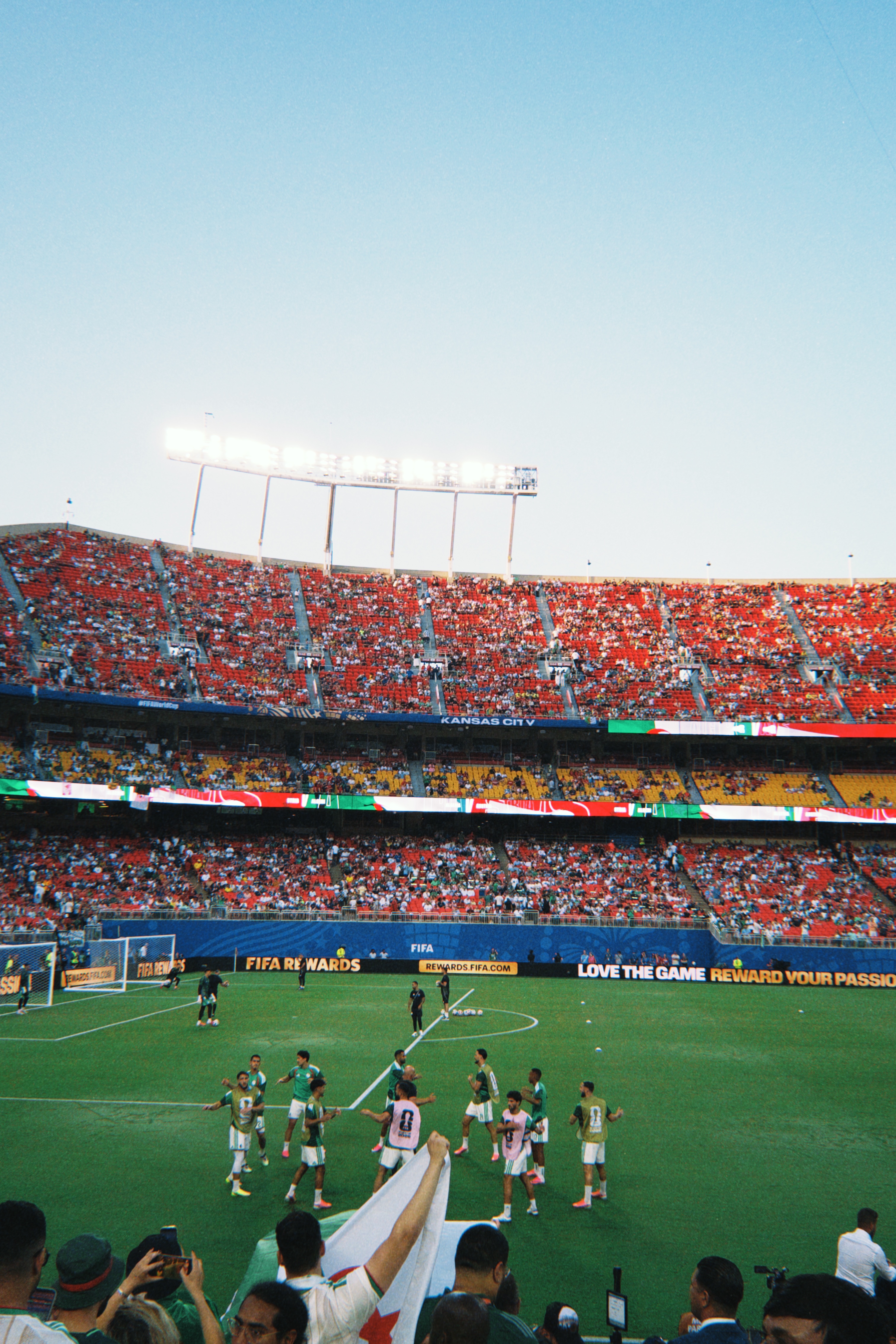
Similarly, when the nation of Algeria chose to call Lawrence, Kansas, its home base for the tournament, Lawrence residents quickly embraced the team. The town held watch parties to watch Algeria’s games together and even learned some basic Arabic in an effort to support the team during their time in the tournament.
A few Marian girls were lucky enough to witness this global unity firsthand. Senior Sarah Esquivel attended the Netherlands vs. Tunisia game in Kansas City and said she definitely noticed how unified everyone was. Esquivel especially appreciated how the crowd seemed so unified, with fans of all backgrounds “working together and doing the wave” at several times during the match.

Content featuring the tournament’s cultural unity and global connection also dominated social media, with hundreds of videos circulating featuring fans of opposing teams high-fiving each other in the stands, fans of all nationalities doing Norway’s Viking row, foreign fans trying American food for the first time, and more.
These social media posts made their way on to several Marian girls’ “for you” pages, with senior Leyla Zier saying that she especially “loved the halftime performance” and “seeing all of the singers and fans come together and enjoy the music.” Zier also appreciated the fact that, given America’s recent negative connotation in global media, that “people liked America” and that the tournament “changed peoples’ minds about the United States.”
Many posts even nicknamed the tournament “The Great American Sleepover” as the camaraderie shared between different nations and fan bases at the tournament closely resembled the connection, friendliness and joy often found at sleepovers.
As made evident by the World Cup, sports provide the unique opportunity to cultivate a relationship with others without the need for speaking the same language, sharing the same beliefs, or living in the same country.
If there’s anything that this summer’s World Cup proved, it’s that the universality of sports, especially soccer, is a powerful force that overcomes cultural, political and linguistic barriers and brings people together in support of one common goal (literally), effectively uniting the world.

Leave a Reply