
Gabbin’ With Gabi
Opinion by J1 Reporter Gabriella Rodriguez
I had my first sleepover at 12. In my opinion, it was a normal starting age, but in reality, I felt like I was late to the metaphorical party.
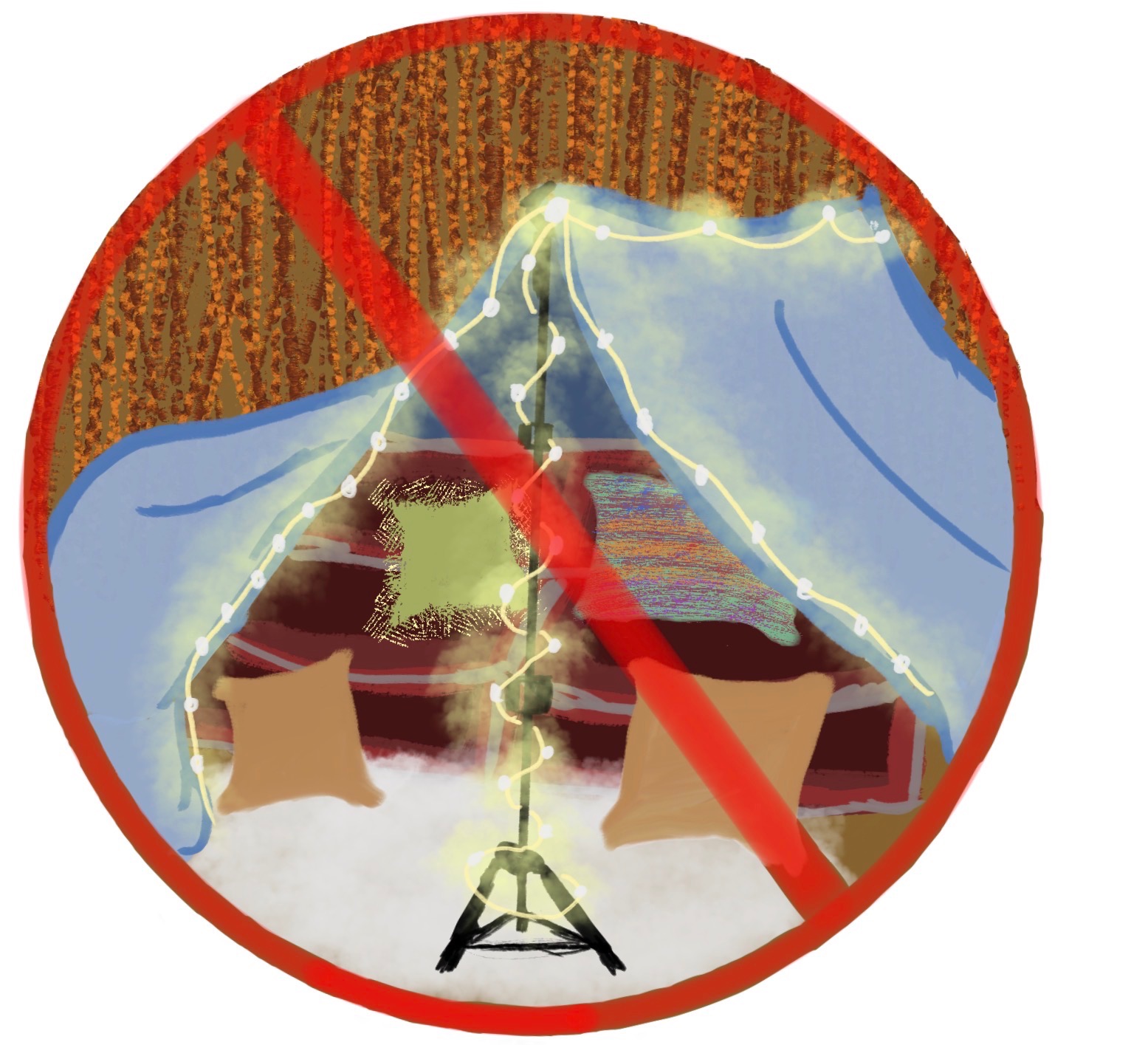
The average age for kids in the US to start going to sleepovers is between 6 and 8. At that age, I remember being inseparable from my mom. I mean, in third grade, who wasn’t? Third grade was also the year I was invited to my first sleepover, and I was ecstatic. Sleepovers are always portrayed as endless pillow fights and watching movies until midnight, and that was exactly what I wanted. There was one problem, though: my mother didn’t let me go.
I’ve come to understand that she was right to make her choice; at the time, though, I didn’t understand why. Sleepovers seemed innocent enough to me, but my mom was quick to explain.
In Colombian culture, sleepovers are seen as unpredictable and dangerous. To parents, letting their young child go to a stranger’s house with even more strangers seems irresponsible and unnecessary. Their protective parenting styles ensure safety, but leaving their child in the care of an unknown adult feels like a genuine gamble. With so many kids in a small area, how can one or two adults keep track of all of them, let alone if those adults have bad intentions?
Colombian parents worry that their child could end up getting involved in situations with substances or even abuse, and if their child simply doesn’t attend, they can protect them from such experiences. Fun simply doesn’t outweigh the possibility of what could go wrong. Of course, every sleepover isn’t like that, but thanks to the reminders from the news, parents are reminded that these types of sleepovers do exist.
Not to mention, parents can experience social pressure from their own community, including their own parents and familiars. If something were to happen to their child(ren), parents would receive backlash for their decision to let their kid(s) sleep in a dangerous place with strangers. For them, it’s better to just keep their children at home. Uno Nunca Sabe, or “one never knows.”

Parents and children from the US, in contrast, were raised in a wildly different culture. For most families, it’s customary for children to set up frequent sleepovers from a young age. Privacy and autonomy is taught at a young age while Latin-American cultures lean more towards open dependent dynamics between parents and their children.
Because of this difference in cultures, kids from Latin-American, or at least Colombian, can feel excluded from certain social circles. Play dates and hangouts are still a thing, but as children get older, sleepovers become more common. Since these kids can’t attend, all they know is what they hear from their friends. They feel sad when their friends constantly bring up all about all the fun games they played.
It doesn’t stop there, though. Those fun memories that those kids were never part of will always be brought back up. Laughter will bubble up, but it still slightly stings.
“Do you remember when this happened?”
“Oh, sorry. I wasn’t there.”
These types of conversations probably won’t leave much impact. When it happens, though, the awkwardness and memories of sitting at home while the sleepover took place might cause a hint of sadness.
Some kids feel socially left behind, and they might try to ignore their parents’ rules by sneaking out.
I’ve come to understand and agree with my culture, though: there’s an extremely large variety of things that could happen at a sleepover. Unfortunately, horrible things have happened, are happening, and will happen at such events, but these things can be prevented. When letting your child stay at someone else’s house, parents can meet with the other child’s parents to build trust and friendship. Setting up scheduled check-ins with children can assure safety. Late-night picks up even allow for kids to attend for a while! If parents don’t feel comfortable with letting their own child stay at someone else’s house, hosting a sleepover could still be an option!
Of course, there are certain times where parents are right to not allow their children to sleep over at someone else’s house, especially if the child is young, but if it’s only out of stereotypes and fear, measures can be taken to let the children and parents be comfortable with sleepovers.


Leave a Reply