
By J1 Reporter Ally Cramer

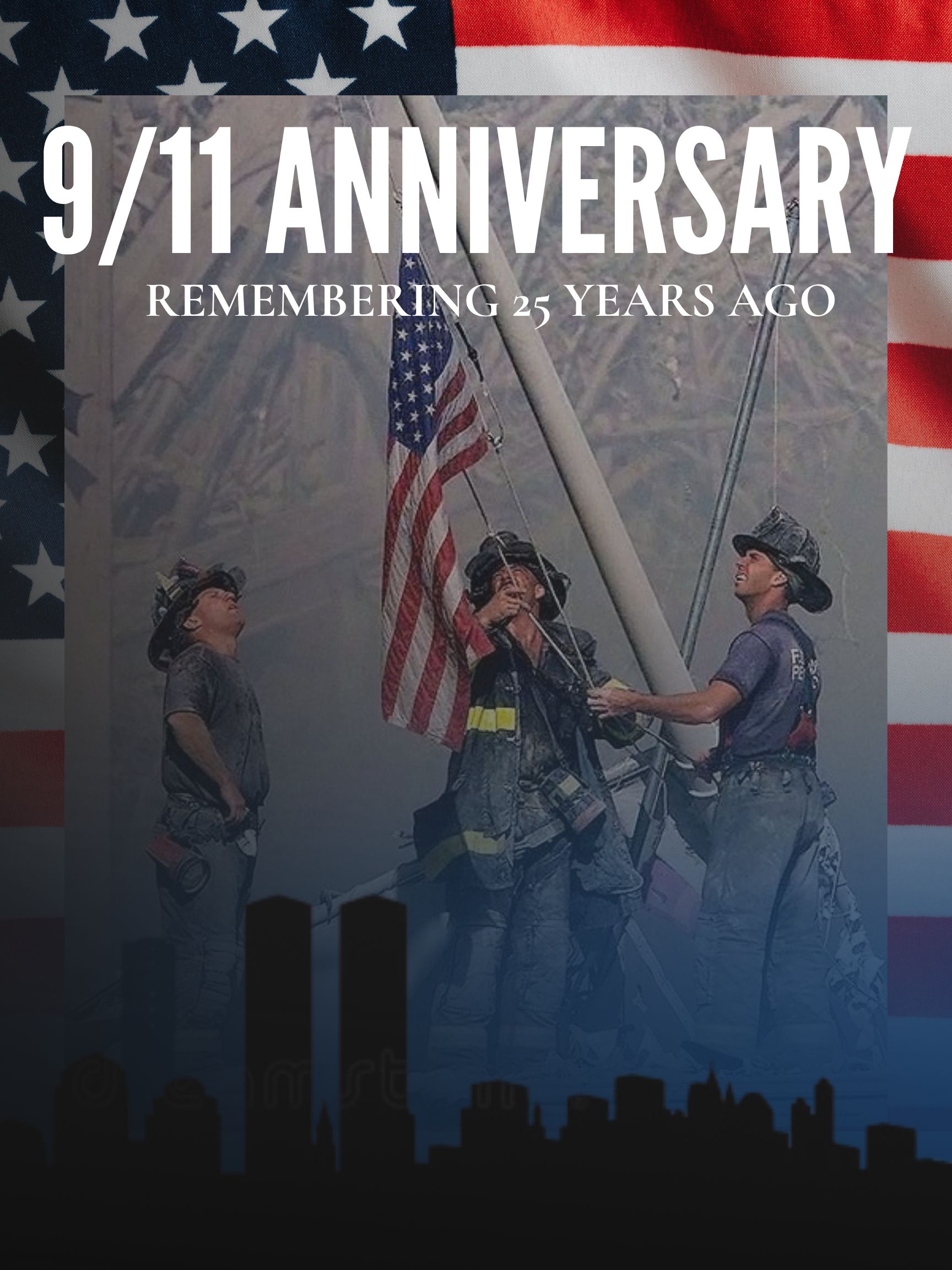
Almost every American citizen knows the attacks of Sept. 11, 2001 and what went down that fateful day. It was a day of confusion, fear, and tragedy where both World Trade Centers and the Pentagon were targeted and hit by commercial airplanes as a terrorist attack. Twenty-five years later, people remember the lives lost and the tragedy that struck the United States. However, much has changed since the initial vulnerability caused from 9/11.
Mrs. Katy Salzman is a cherished social studies teacher here at Marian with valuable information to tell. Salzman provides an observant standpoint on the lasting effects of 9/11. As a history educator, she has a powerful perspective on the 9/11 attacks and how she wishes it to be understood.
On the exact day of 9/11, Salzman recalled being at Omaha North in her first year of teaching when she heard from another teacher that one of the twin towers had been hit. After trying and failing to join a CNN channel due to jammed reception, she heard from another teacher that the second tower had been struck and America was under attack. With her class beginning soon, she made the decision to let her students watch for a portion of class.
Salzman remembers thinking what day it was, knowing the importance it could have in the future. Specifically, she remembers…
“I just said Sept. 11. You know, 2001.
Mrs. Katy Salzman
This day is going to go down [in history].”
Salzman said she has always made an effort to teach her students about 9/11 in class. Today, enough time has gone by that there is a gap between those who experienced 9/11 and those who weren’t even born yet. She has noticed the transition from talking to friends and family about what they were doing during the horrific day, to when she began to listen to stories of what her students’ parents were doing.
It is common for people to know what happened on 9/11, but very few young people know the political status of the U.S. before and after the attacks. She made the point of how it is important to know what caused the attacks of 9/11 in order to give people a better understanding from a historical viewpoint.
Stemming from that, Salzman has noticed, “I think that many students today think that they kind of think that, because of 9/11 we have to empty our water bottles, or because of 9/11, we have to take off our shoes or take out our laptops.” While Salzman agrees with the importance of these changes, she urged the importance of the impact on the American government. She wishes for people to understand how the U.S. was able to expose a global network of terrorist groups as a result of the 9/11 attacks.
In addition to that, Salzman made a clear point that Americans—specifically young Americans—are not immune to acts of terror. School shootings, war crimes, and other senseless actions are prevalent today and students are not unaware of them. 9/11 should not be hidden from the younger audience for that exact reason.
Salzman has led an excellent example of what a passionate social studies educator should embody at the topic of 9/11. The insight she provided should enlighten all readers and the future generation.
Salzman’s class was featured on the KMTV News on 9/11/26. See that story here: https://loom.ly/bA1kEbM
Contact the author with any specific questions on the story



Leave a Reply