
Opinion by ElenaBrown
In recent years, automated license plate readers, or ALPRs, have increasingly gained traction in the media due to the influx of the artificial intelligence (AI)-powered cameras in many American cities and the consequent widespread backlash they have received from the public. While officials insist these autonomous surveillance systems lead to the arrests of criminals, many are still skeptical. Do they truly protect the public, or are they capable of much more?
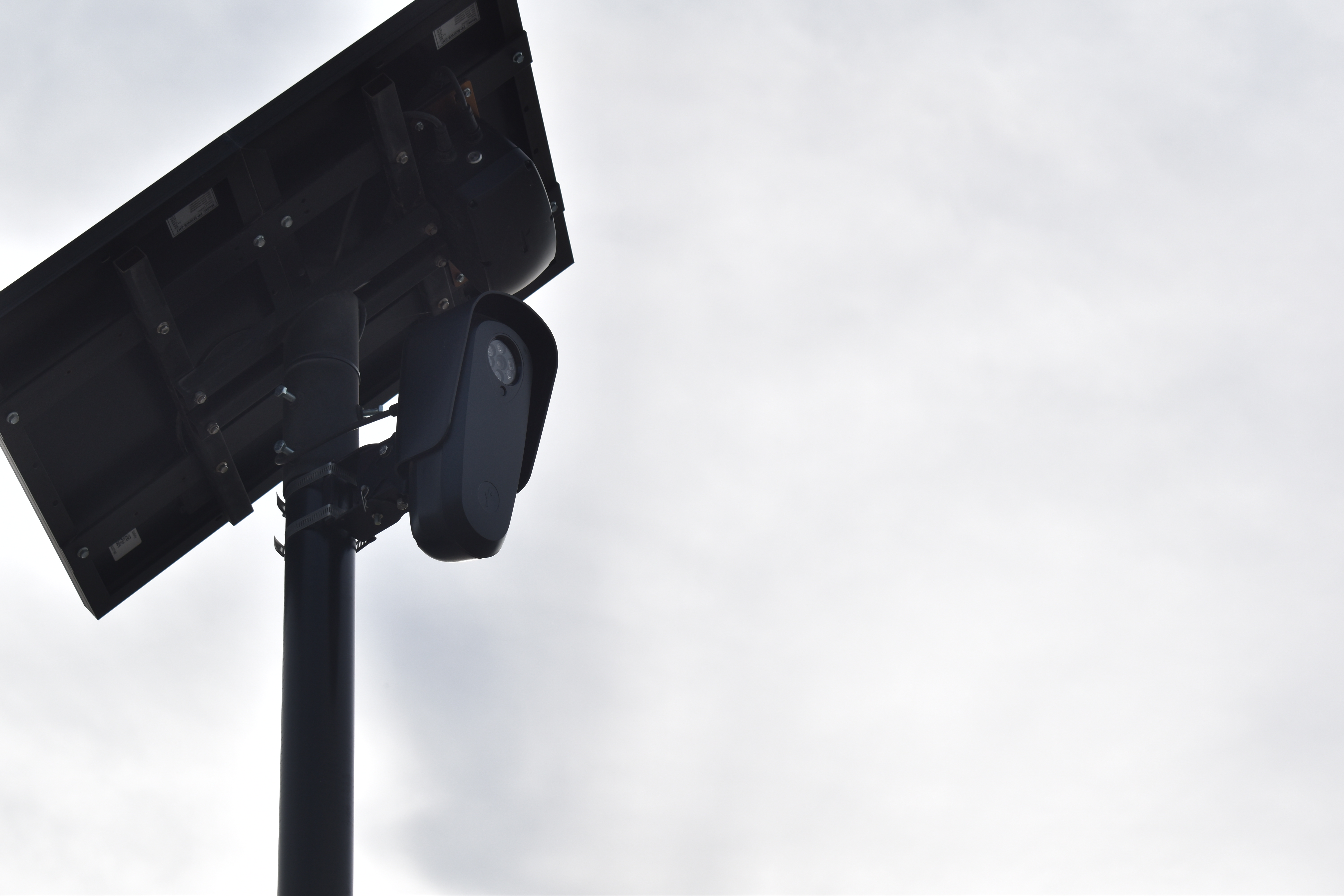
Black, discreet and slightly ominous, Flock cameras have been quietly appearing around the Omaha area, seemingly out of nowhere. Flock Safety, a manufacturer of ALPRs, is arguably the most well known system as a result of their cameras’ popularity on social media. Using AI-powered technology, they are designed to capture and store the data of hundreds of thousands of drivers every day, including license plates, vehicle make, model and color, and even any bumper stickers or dents that could identify a specific car. I, and many others throughout America, believe Flock cameras should not be used by law enforcement. Not only because they are a blatant invasion of privacy, but also because they are essentially ineffective when it comes to arresting criminals.
I find ALPRs to be problematic for many reasons — for one, it feels intrusive. Why should my license plate be run into a police department’s database without probable cause? This isn’t just a routine and random check that police often do; unlike these random checks, any car that comes into view is recorded, and Flock Safety — the manufacturer behind the cameras — stores the data it collects in a database accessible by any law enforcement agency nationwide with a contract. Over time, Flock cameras can learn a lot about you — from the roads you use regularly to who you visit to where you go to church.

Always Watching. Flock camera near 180th and Center watches the road, recording each car that passes. Photo by ElenaBrown.
The effectiveness of Flock cameras is also questionable. According to Electric Frontier Foundation, on average less than one percent of license plates recorded produce a “hit” by appearing on a list of known criminal plates. In other words, over 99% of the data collected does not lead to the apprehension of criminals. This ratio of license plate hits to the hundreds of thousands of plates surveilled is ridiculously high – leading me to believe that Flock cameras are counterproductive in themselves.
There have also been false accusations and misconduct surrounding Flock Safety systems. The camera’s AI is often inaccurate when reading license plates and identifying vehicles. Because of this, reports of citizens receiving tickets for traffic violations they never committed have run rampant in recent years. Misuse is also an issue. There have been several cases in the past year of police officers tracking ex-partners using Flock cameras. If there is virtually no oversight when it comes to accessing the databases, what’s stopping someone from watching you?
Because Flock and similar ALPRs are failing miserably at their job of minimizing crime and ensuring safety for all, they have been receiving backlash from the public — especially young people. Citizens opposed to Flock have been forcefully taking them down across the country in defiance. Although it sends a message, it doesn’t do much to stop mass surveillance. Brands like Axon and Genetec, similar to Flock Safety, still line the streets.
As long as ALPRs are in use, I believe individual privacy is compromised. As AI rapidly develops, consider the effects of when these cameras cannot be beat.
See “Flock cameras: safety or surveillance” in news




Leave a Reply