
ErinCramer
When asked about famous female athletes, the one that might come to mind is the legendary Serena Williams. The four-time Olympic gold medalist and winner of 23 Grand Slam singles majors is perhaps one of the most decorated and prominent figures in all of athletics.
However, where most people see her now is advertising Ro, a GLP-1 weight loss treatment, raising worldwide concerns about the message being sent to female athletes.
That same brand went on to sponsor the Players Era Volleyball Showcase, a nationally televised tournament between the top volleyball programs in the country. With messages about weight loss making themselves more prevalent in women’s sports, many ask themselves: why be strong when one can be skinny?
This year to combat this negative mindset, Marian’s athletic administration brought in Jess Wegener, a sports nutritionist from Positive Nutrition of Omaha. Wegener competed as a gymnast at the University of Nebraska – Lincoln and now works to help athletes and individuals on their own nutrition journeys.
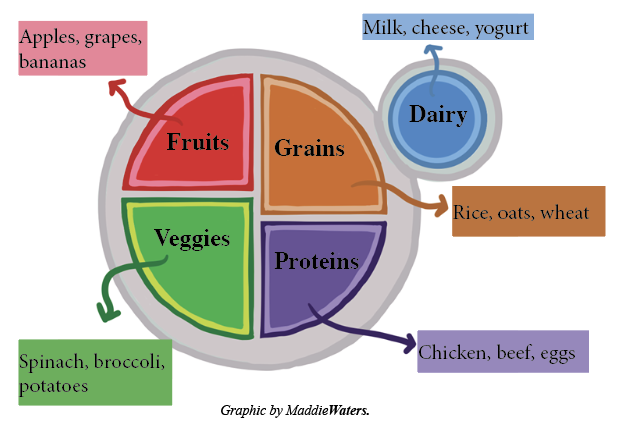
According to Dr. Haemi Choi, M.D., “the core of sports nutrition for female athletes is the micronutrients: carbohydrates, proteins, and fats.” Each of these different food groups serves distinct and vital roles in keeping female athletes healthy and capable.
Carbohydrates are the primary energy source for the human body and are essential for high-intensity training and endurance sports. Most athletes at Marian participate in high-intensity practices or competitions six times a week, making carbohydrates the most needed food group, despite its negative reputation amongst young women.
Additionally, proteins are essential for both muscle repair and growth. When muscle is broken down through training, protein allows for the muscle to be rebuilt stronger, making protein a key aspect of any athlete’s diet.
Protein sources include meat, eggs and dairy. Fats are also a concentrated energy source and are vital for hormonal health. Some examples of fats are avocados, nuts and oils.

While many female athletes find themselves restricting their diet out of fear of overeating and to become more “fit,” it has been found that underfueling is a much more common risk than overeating.
According to a study done by the National Institutes of Health, it was concluded that approximately half of women in high school or collegiate sports are at risk of Low Energy Availability and other types of eating disorders.
Similarly, Relative Energy Deficiency in Sports, or RED-S, occurs when an athlete does not get enough fuel to support the energy demands needed for daily life and training. The condition has detrimental effects to one’s menstrual cycle, bone health and a healthy weight.
Instead of trying to restrict oneself, female athletes need to focus on properly fueling their bodies. According to Wegener, athletes should aim to have three to five smaller meals throughout the day to regularly supply their body with energy.
While food provides our body with chemical energy, sports nutritionists also push athletes to look at one of the largest reasons for low energy: lack of sleep. A prioritization of sleep allows an athelete’s bodies to rest and recharge. Sleep is interconnected with nutrition: without the other, athletes will lack the energy they need to compete.
Nutrition is the key to unlocking the next level of athletic ability. So instead of looking in the mirror and wanting to be skinnier, work to be stronger.
Find gratitude in all the amazing things the human body can do, and take the time to give the body the food it needs to be able to do these things. Food is fuel for success; it’s time female athletes started treating it as such.




Leave a Reply