

By J1 Reporter Mekhronakhon Sultanova
On Sept. 11, 2001, Mr. Kory Delkamiller was at Marian High School in the campus minister’s office on the third floor when he first heard about the attacks.
At first, someone told him that what had happened was an accident. Soon, however, he began watching the events unfold on television. He saw a recording of the second plane hitting the World Trade Center and later watched the first tower collapse live on air.
The events quickly affected the school. Delkamiller remembers having classes while students were confused and frightened about what was happening. He tried to calm them down and explain the situation as best as he could.
Although Delkamiller did not personally know anyone who died in the attacks, Sept. 11 still had a significant impact on him. He described it as an attack on his country and said that he became especially worried about the kind of world in which his daughters would be growing up.
The attacks also led people across the country to look for ways to help. Delkamiller contributed to a nationwide donation effort. His wife later traveled to New York for a conference and visited Ground Zero. Even more than a year after the attacks, she said the area was still deeply affected by what had happened.
About six years ago, Delkamiller visited the Sept. 11 Memorial Museum with his wife and their youngest daughter, Naomi. Naomi was not yet born when the attacks happened. He remembers seeing the names of the people who died and the memorial pools where the towers once stood. He described the memorial as beautiful.
For Delkamiller, remembering Sept. 11 is also about understanding what can happen when fear, injustice and hatred lead to violence.
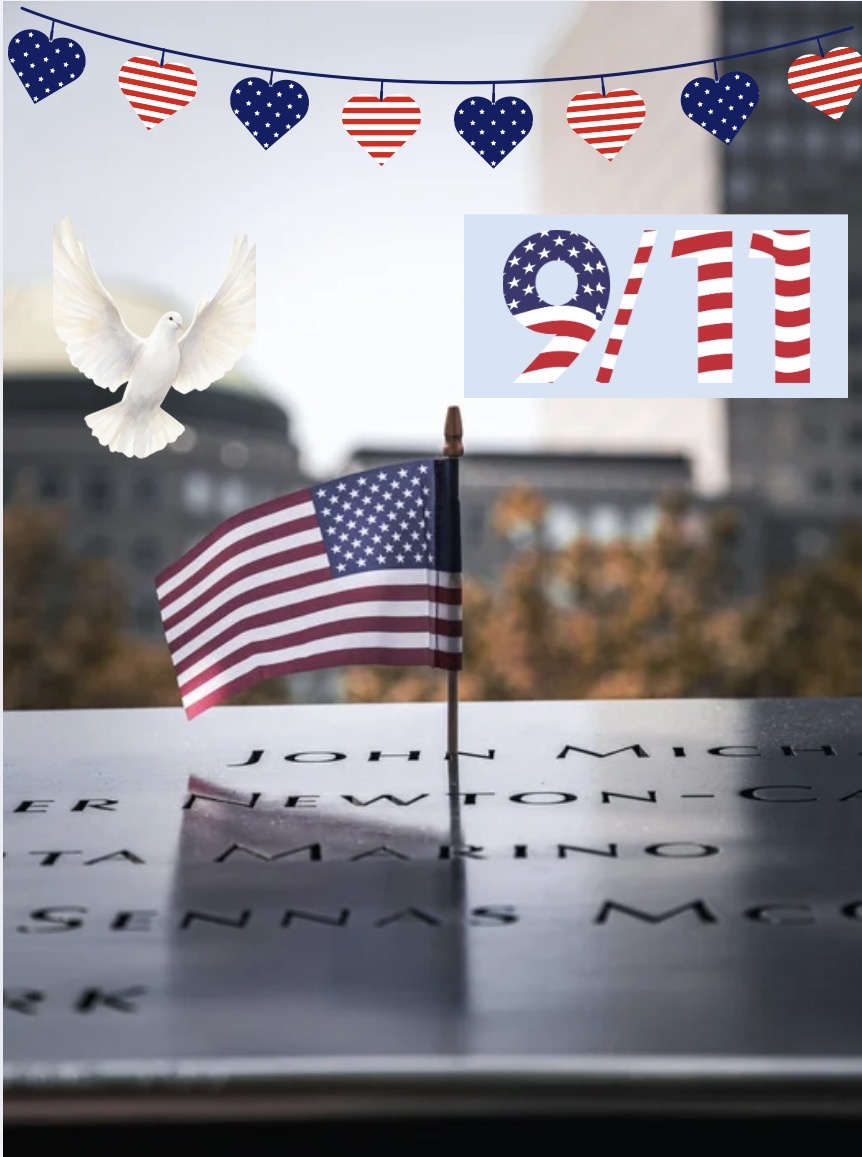
He believes young people should learn about the attacks because they can see what injustice and hate can do, as well as how people can respond to that hatred. He described this as a “cycle of violence.” He also disagreed with the United States’ decision to go to war with Iraq, but believed that going to war with Afghanistan was justified because Afghanistan had harbored and trained the Al Qaeda terrorist group responsible for the attack. He said there should be a way to justify how a country responds after an attack.
Sept. 11 also changed everyday life in the United States. According to Delkamiller, traveling was much easier before the attacks. Afterward, he noticed increased surveillance, more cameras and a loss of privacy.
He also remembers the difficulties faced by Muslim Americans after the attacks. He said that people of all religious backgrounds showed support for the Muslim community in Omaha. After the Islamic Center of Omaha became a target of vandalism and was damaged, people surrounded the Islamic Center to show their support and solidarity. Delkamiller said he would have liked to have been part of that outreach, but he heard about it after the fact.
When discussing the motivations behind the attacks, Delkamiller said he believed they were political and social, and that the attackers used a radicalized interpretation of the Quran to justify their actions for political advantage. He also emphasized that the individuals behind the attacks did not represent the mainstream Muslim community.
More than two decades later, Delkamiller’s memories of Sept. 11 remain connected not only to the tragedy itself, but also to the changes it brought to American life. For him, remembering the event means understanding the consequences of fear and hatred and considering how future cycles of violence might be prevented.
Do you have a 9/11 story to share? Share in the comments below!

Leave a Reply